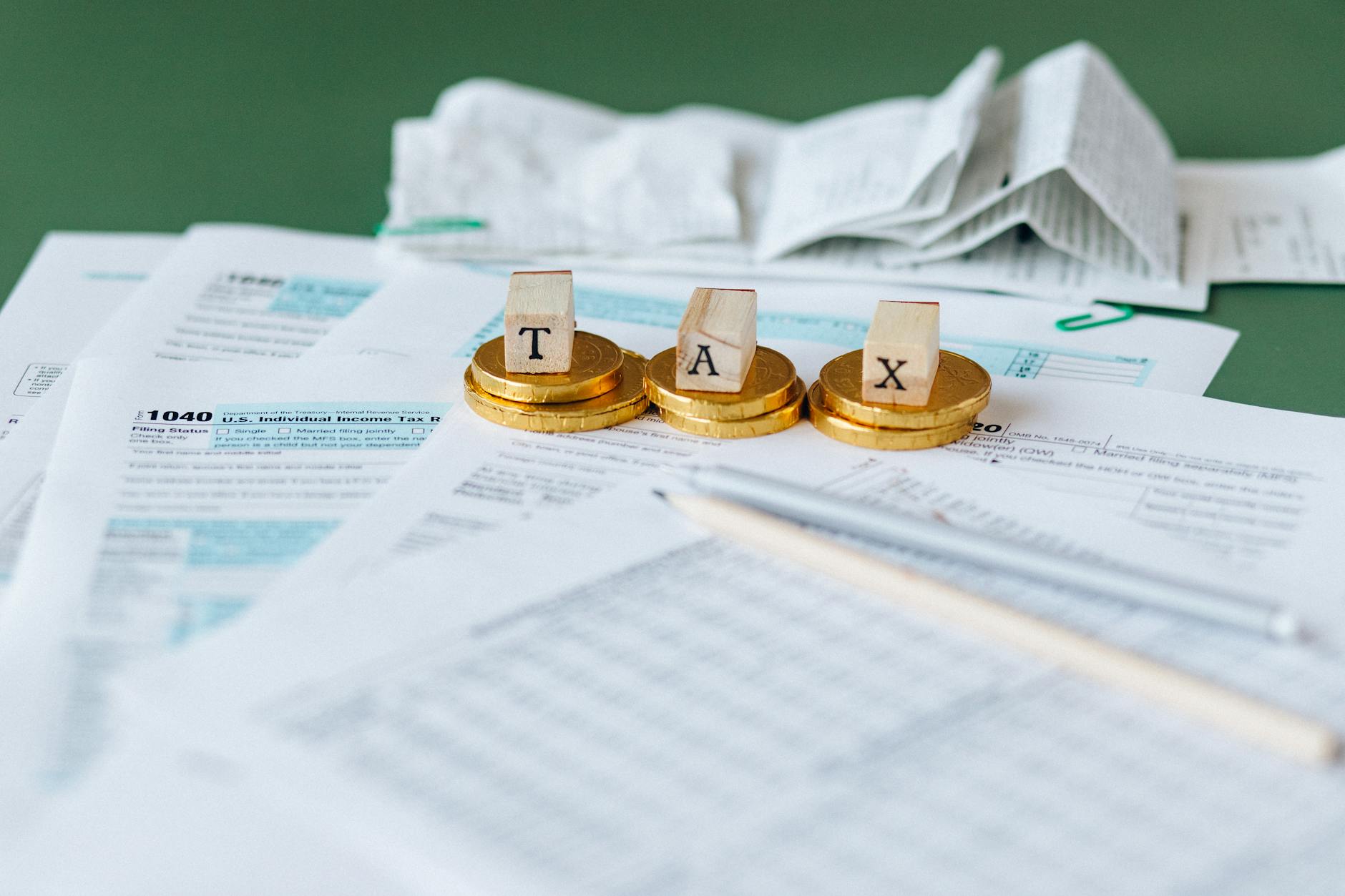
Selling on Etsy is exciting — but navigating Etsy taxes in Canada is where many new sellers hit confusion. After making my first sale, I dove deep into CRA rules, GST/HST thresholds, and bookkeeping realities. Here are 5 steps I use (and recommend) to stay compliant — and avoid surprises at tax time.
1. Know When You Must Register for GST/HST
If your worldwide taxable supplies (including your Etsy shop and other income) exceed $30,000 in four consecutive quarters, you’re required to register for GST/HST.
Etsy confirms this in their guide on what Etsy remits to Canadian tax authorities. Until you reach that threshold, you’re considered a “small supplier” and aren’t forced to register — though some sellers register earlier to claim input tax credits. Publications like MoneySense recommend evaluating your situation carefully.
2. Understand What Etsy Is Already Doing
Etsy already handles parts of tax collection in Canada, but not all of it:
- If you haven’t added a GST/HST ID, Etsy collects GST/HST from Canadian buyers and remits it directly.
- If you have a GST/HST number linked, you must collect and remit taxes yourself.
- Etsy also collects GST/HST on seller service fees.
This doesn’t remove your responsibilities — it just changes how you manage them.
3. Report Etsy Income on Your Tax Return
Even if you’re a small supplier not registered for GST/HST, your Etsy income must still be reported as business income in Canada. The CRA reminds sellers that all online income is taxable (CRA tax tip).
As a sole proprietor, you’ll use Form T2125 (Statement of Business or Professional Activities) to report gross sales, expenses, and net profit. Etsy’s Seller Handbook explains how to report business income and expenses.
Deductible expenses may include:
- Etsy listing and transaction fees
- Materials and supplies
- Office costs (internet, software, stationery)
- Marketing and ads
4. Track & Charge Provincial Taxes
Canada’s tax system varies by province:
- Quebec has a separate QST (Quebec Sales Tax).
- Provinces like BC, Saskatchewan, and Manitoba also have PST/RST rules.
- Etsy automatically collects some provincial taxes where mandated.
For a detailed breakdown, see this guide on GST/HST handling for Canadian Etsy sellers.
Make sure you’re aware of your province’s rules so you don’t miss any compliance steps.
5. Set Money Aside & File Accurately
The best thing you can do as a seller is plan ahead:
- Set aside 20–30% of revenue for taxes so you’re not caught short.
- File on time: GST/HST-registered sellers must file monthly, quarterly, or annually, depending on CRA requirements.
- Claim input tax credits if registered — this reduces what you owe.
- Use bookkeeping software (like Wave or QuickBooks) to track everything in real time.
The CRA also provides resources for peer-to-peer sellers to help you understand what’s expected.
Final Thoughts
Understanding Etsy taxes in Canada isn’t the most exciting part of running a shop — but it’s essential. Once you get familiar with GST/HST thresholds, provincial rules, and income reporting, you’ll feel more confident running your business.
👉 If you’re just starting out, check out my post on how to sell digital products on Etsy or my guide to remote income streams you can start today.


Leave a Reply